Elevate Your Brand: The Minimalist Power of an Interior Design Flyer
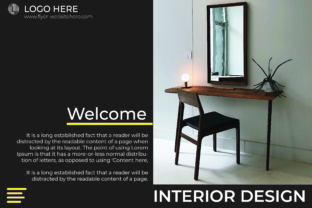
When you work in the interior design industry, your marketing materials are the first handshake with a potential client. If your flyer looks cluttered, outdated, or unprofessional, it signals that your design sensibility might be the same. This is where the Interior Design Flyer template steps in. It is not just a piece of paper; it is a strategic asset built on the principles of modern minimalism. The visual personality of this template is defined by clean lines, ample white space, and a sophisticated layout that prioritizes your content above all else. It avoids the trap of over-decoration, relying instead on structure and elegance to make an impact.
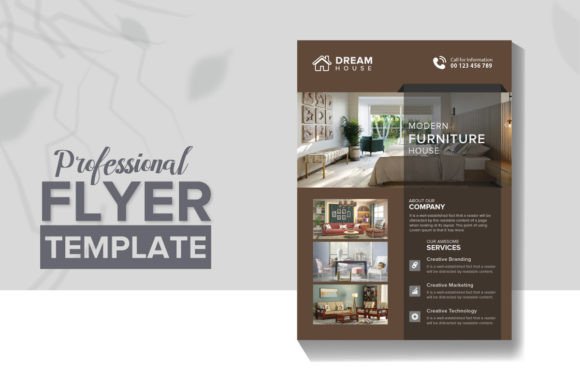
The "clever design" mentioned in its description is visible in how it balances text and imagery. It uses a grid system that naturally guides the viewer's eye from the headline to the portfolio images, and finally to the contact details. This type of modern typography and layout is essential for high-end branding. It tells the client that you value precision and clarity—two traits that are highly desirable in an interior designer. Whether you are a freelancer showcasing a recent living room renovation or a firm promoting a new development, the aesthetic of this flyer bridges the gap between creative expression and professionalism.
The Anatomy of a Professional Template
Understanding the technical specifications of your design assets is crucial for a smooth workflow. This particular Interior Design Flyer is engineered for print-ready success. Delivered in Adobe Illustrator (.AI) and EPS formats, it offers total control to the designer. Unlike rasterized templates that pixelate when resized, these vector files ensure that your graphics remain sharp regardless of how you manipulate them.
Here is a breakdown of what makes this template pack a practical addition to your toolkit:
- Precise Dimensions: The template is set to A4 size (8.27 x 11.69 inches), a standard international size that is versatile for both digital distribution and physical printing. Crucially, it includes a 0.12-inch bleed. This extra margin is vital for professional printing, ensuring that your design extends to the very edge of the paper without leaving unprinted white borders after trimming.
- Color Mode: It utilizes CMYK color mode. This is the industry standard for printing. If you were to design using RGB (screen colors), the printed flyer would look dull and different from what you saw on your monitor. By starting in CMYK, this template guarantees color accuracy.
- Editability: The pack is fully editable. You are not locked into the original layout. You can change the color palette to match your client's specific brand identity, swap out the placeholder text for your own copy, and adjust the hierarchy of information to suit your campaign.
Strategic Applications: Beyond the Living Room
While the name suggests a specific niche, the utility of a minimalist flyer template extends far beyond interior design. The clean, sans serif aesthetic and structured layout make it an ideal candidate for various industries that rely on visual trust. As a brand strategist or marketer, you can repurpose this asset for a multitude of projects.
Consider using this layout for:
- Real Estate Marketing: Property listings require a balance of photography and information. The white space in this template allows high-resolution photos of a property to shine without competing with the text.
- Creative Agencies: If you run a small agency, you need your pitch materials to reflect your own competence. This template serves as an excellent media kit or service overview sheet.
- Event Invitations: For gallery openings, architecture conferences, or boutique launches, the elegant typography sets a sophisticated tone.
- Corporate Brochures: Even in a B2B context, a clean layout signals efficiency and modernity. It works perfectly for quarterly reports or company profiles.
Customization and Visual Hierarchy
The true power of this Interior Design Flyer lies in how it influences readability and visual hierarchy. In design, hierarchy refers to the arrangement of elements to show their order of importance. This template is pre-structured to ensure that the viewer sees the most critical information first. However, when you open the file to customize it, you have the opportunity to refine this further.
A common mistake in editorial design is overloading the page with fonts. While the template includes recommendations for free fonts, you should approach customization with a "less is more" mindset. Stick to a maximum of two typefaces—perhaps a bold display font for headers and a clean sans serif for body text. This maintains the modern integrity of the design.
When placing your images, look at how the template frames them. The negative space is just as important as the image itself. It gives the viewer’s eyes a place to rest, which actually improves the engagement rate of the flyer. If you crowd the margins, you lose that high-end feel that makes this template effective. Remember, in luxury marketing, silence is louder than noise.
Ensuring Brand Consistency
For small business owners and entrepreneurs, consistency is the bedrock of a strong brand identity. Using a cohesive set of templates ensures that every touchpoint—from your business cards to your flyers—feels like it belongs to the same family. This Interior Design Flyer is designed to be part of a larger ecosystem. Its neutral, professional style allows it to coexist with other brand assets you may already have.
Before finalizing your design, print a test copy. Colors can look different on paper than they do on a backlit screen. Check the alignment of your text blocks and ensure that your contact information is legible. Because the file is in vector format, making these micro-adjustments is effortless. You can tweak the kerning (spacing between letters) or the leading (spacing between lines) to perfect the readability.
Ultimately, this print-ready template is a tool to save you time without sacrificing quality. It eliminates the need to start from a blank canvas, allowing you to focus on what you do best: creating beautiful spaces and building your business. By leveraging a professional, clean design foundation, you position your brand as an authority in your field before you even speak to a client.